
Opening direction
A side-hung window and a top-hung opener behave differently. Think about nearby paths, furniture and how you use the room.
A familiar outward-opening window, shaped to suit the proportions and character of your home.
Serving Ormskirk and nearby Lancashire & Merseyside communities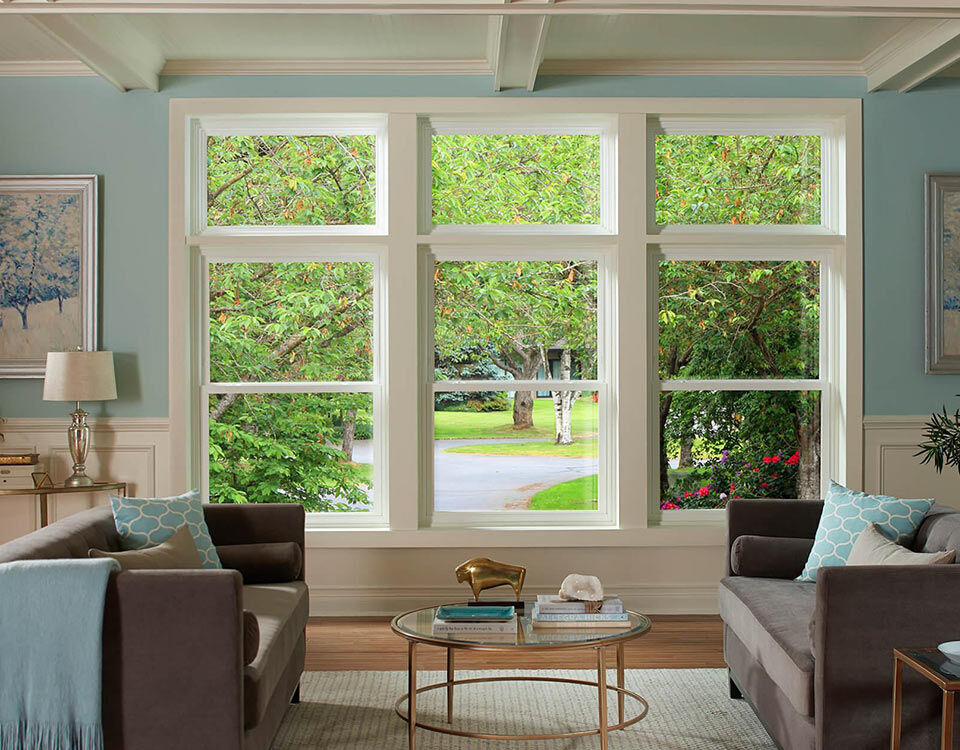
Casement windows are hinged at the side or top and open outwards. Their simple arrangement suits a range of homes, and the frame can be considered in relation to the original brickwork, room layout and view.
Kaizen’s current product page shows top-hung, flush, uPVC, timber and aluminium casement examples. Availability and suitability depend on the opening, so discuss the material and style you are considering before settling on a design.
Discuss your projectCasement windows are hinged at the side or top and open outwards. That familiar arrangement still leaves useful decisions: which section should open, which can remain fixed, where a handle will be reached and whether the opening meets a path, boundary or planting outside. Working through these questions room by room helps shape a layout around daily use rather than choosing from a photograph alone.
A kitchen, landing and bedroom rarely need the same opening pattern. Consider where a person will stand to operate each sash, what furniture or worktop sits nearby and how the room is ventilated in ordinary use. If a window is high or difficult to reach, make that clear early so the available options can be discussed against the actual space.
Kaizen’s current examples include top-hung, flush, uPVC, timber and aluminium casements. The fact that a style is shown does not establish that it will suit every opening. Ask the team which configurations are available for your property and what information it needs to assess a particular frame.
From the street, a window sits among brick courses, stone lintels, render and neighbouring frames. Compare the visible frame width and the position of the opening sections with the rest of the elevation. Flush casements, which Kaizen shows in its current examples, can present a different outside line from a standard casement; ask to see the relevant option before deciding what suits your home.
Inside, the same frame is part of a wall, a view and a daily routine. Think about curtain or blind placement, the position of radiators and whether a projecting handle could conflict with anything nearby. A picture that includes the whole wall is often more informative than a close-up of the existing window.
A window can combine opening sections with fixed glass. The arrangement influences the way the elevation looks and the route a person takes to reach each handle. Before comparing finishes, make a simple sketch of the opening and mark which sections you expect to use. This gives Kaizen a clearer question than asking for a general casement quote.
Material and finish are part of the same decision. Kaizen’s current page illustrates uPVC, timber and aluminium casement examples. Consider the character you want, what is already fitted elsewhere in the house and how much continuity matters between rooms. Confirm the options for your opening directly, since imagery on a product page does not confirm the available specification.
If you are replacing a casement, note what works as well as what does not. You might want to retain the general proportions but change the opening direction, or preserve a clear view while updating the frame. Record any issue with operation, access or appearance so it can be considered as part of the proposed scope.
For an initial enquiry, send the team photographs from inside and outside, name the room and describe the opening you have in mind. Include your Ormskirk-area postcode so Kaizen can check whether it covers your address. Before deciding, ask which material and opening styles are available, what is included in the quote and what details remain to be confirmed.
If you are replacing only one casement, photograph the windows immediately beside it as well as the full elevation. Note which proportions or finish you want to keep, then ask how the proposed frame will relate to the existing set. If the opening direction is changing, explain where the current sash meets furniture, a path or a work surface. This gives the conversation a specific design problem to solve.
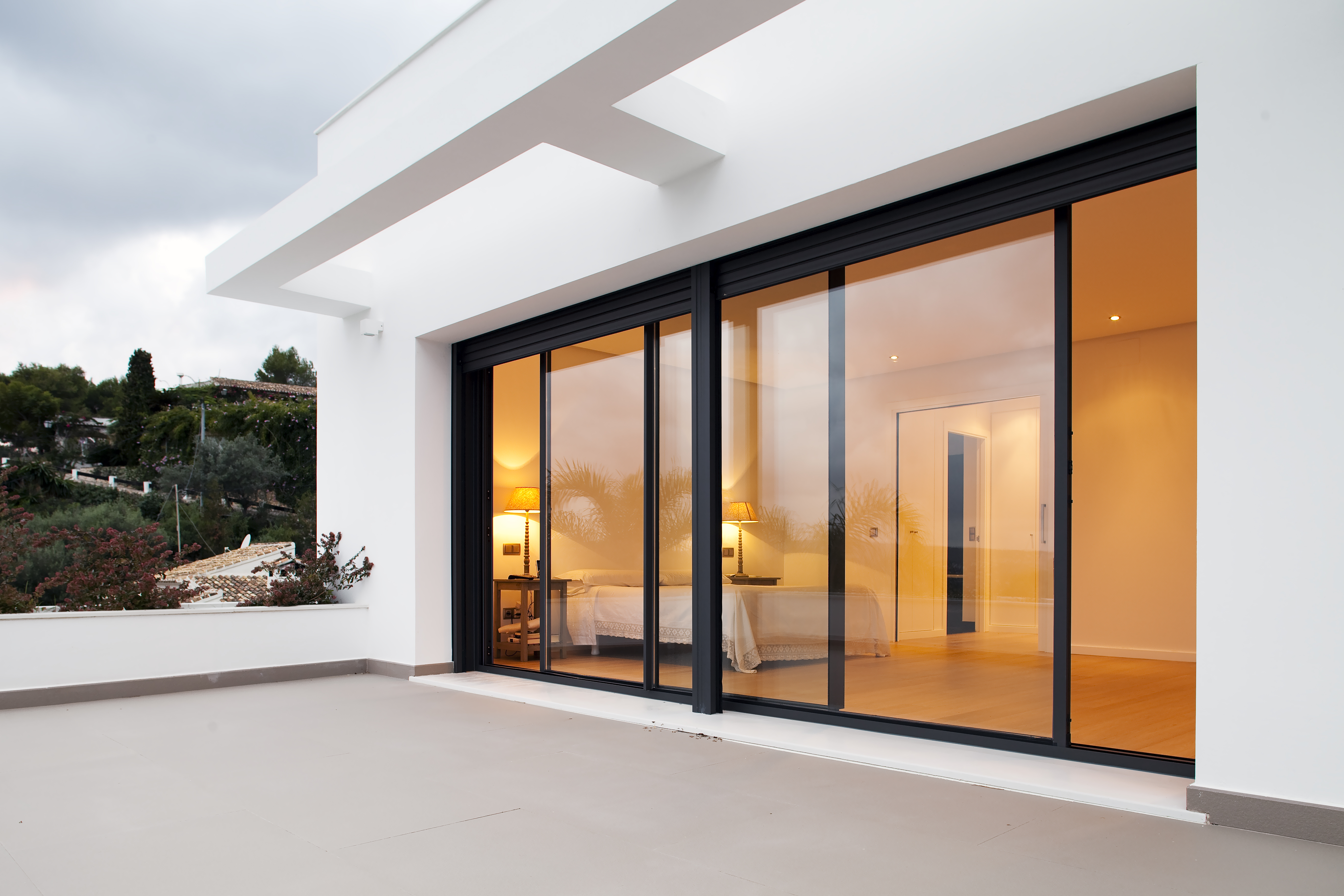
A casement is one piece of a home’s exterior. Matching the sightlines of neighbouring windows, considering the amount of visible frame and choosing a finish that sits comfortably with the brick or render can make the change feel deliberate.
Inside, consider handles, the reach to each opener and what sits beside the window. These details help the team understand which configuration you need.
See genuine Kaizen imagery
Four steps keep the conversation focused on casement windows, the change you want to make and the scope you agree.
Note the existing frame, the direction it opens and any access or clearance constraints.
Discuss flush or standard casements and the material choices available for the home.
Review colour, glazing and hardware options as part of the proposed window.
Check the quote and agreed details with Kaizen before fitting is planned.
Casements suit many kinds of home and can be specified as individual openings.
Top-hung, flush and several frame materials appear in Kaizen’s current product examples.
Discuss your property and preferred style with the team serving Ormskirk and its surrounding areas.
Kaizen supplies and fits casement windows in Ormskirk and surrounding areas. Contact the team to confirm whether your address is covered.
Check your areaStill deciding? Talk through the product details and project scope with Kaizen.
Get in touchA casement is hinged at the side or top and opens outwards. The exact arrangement can be chosen to suit the room and opening.
Flush casement windows are shown in Kaizen’s current product examples. Ask about the options available for your project.
Kaizen’s page shows uPVC, timber and aluminium casement examples. Suitability and availability should be confirmed with the team.
Discuss the number and condition of the openings you want to change. Kaizen can advise on the scope it can quote for.
Not necessarily. A design may combine moving and fixed sections. Describe how the room is used and ask which arrangements are available for your particular opening.
A view of the full elevation and a closer image of the frame from inside and outside can show its proportions, opening direction and relationship with the room.
Talk through opening direction, frame style and material with Kaizen before you choose.